
Sponsorship levels work when they are not just a price list with a bigger logo at each step. They offer different levels of access to the audience and different amounts of work for the sponsor. A sponsor should be able to read a tier and understand what they get, who they reach, and what they need to do.
That clarity helps conference organizers, association events leads, and partnership managers create event sponsorship packages that are easier to evaluate, deliver, and renew.
The problem: a logo ladder leaves sponsors asking “What else?”
Bronze, silver, and gold can be useful labels, but they are not a value proposition. If each tier offers the same benefits with a larger logo, more passes, and a bigger booth, sponsors may struggle to see why one costs more. They ask “what else?” and organizers can end up negotiating the price instead of explaining the value.
There is a delivery risk, too. A sponsorship deck can promise stage time, placements, or access that the event team has not confirmed or cannot provide. When the package and production plan disagree, the sponsor relationship starts on shaky ground.
Strong sponsorship levels sell access, attention, and experience
A useful way to structure sponsorship tiers is to separate the three kinds of value they offer:
- 🎟️ Access: Who can the sponsor meet, and what part of the event or program can they be part of?
- 👀 Attention: Where will people see or hear from the sponsor, such as signage, screens, email, or a program segment?
- 🎨 Experience: What can the sponsor’s guests actively do, rather than simply see?
Packages built only on access and attention can become a comparison of prices and placements. An experience benefit gives the sponsor a distinctive way to connect with attendees. The important part is making that benefit clear, deliverable, and suited to the sponsor’s goals.
Seven practical ways to build sponsor packages with a reason to say yes
1. Build the tier ladder around outcomes, not logo size
Start with the sponsor’s job. A brand team may prioritize awareness; a sales team may want more opportunities for conversations; a relationship owner may value hospitality and meaningful time with guests.
Use those goals to shape the benefits. For example, an awareness tier could focus on visibility across a defined part of the event. A conversation tier could add a hosted interaction. A flagship tier might combine prominent program access with a signature guest experience. The value should increase because the sponsor can do something different, not simply display a larger logo.
2. Give every tier one signature benefit
Each level should have at least one compelling benefit that cannot be added à la carte. That could be category exclusivity, a named program moment, or an experience created specifically for the sponsor’s audience.
A signature benefit gives buyers a clear reason to move up. Define what it includes and any limits, such as inventory, timing, or sponsor responsibilities, so there is no ambiguity later.
3. Match the offer to the sponsor’s purpose
Avoid building every tier for the same imaginary sponsor. Instead, identify the most likely goals in your prospect list and make the intended fit easy to see.
| Sponsor priority | Potential package emphasis |
|---|---|
| Brand awareness | Named visibility across selected event touchpoints |
| Sales conversations | A structured opportunity to engage attendees |
| Relationship building | Hospitality or access designed around guest interaction |
These are starting points, not promises of specific business outcomes. A sponsor benefits most when the package connects to a real objective they can measure.
4. Sell the experience layer clearly, and verify delivery
If an experience is part of your event sponsorship packages, make it a defined line item. Specify the setup, duration, branding, staffing, space, technology, and what the sponsor must provide. Build the deliverable list from the production schedule, not from what sounds impressive on a slide.
For ideas about what sponsors can do in their event space, see our companion article, Conference Sponsor Engagement Ideas: Turn Sponsors Into the Main Attraction.
5. Keep the number of tiers manageable
Three well-differentiated levels plus one custom flagship option are often easier to understand than seven overlapping choices. Too many options can slow decisions: buyers have more combinations to compare, while organizers have more details to explain and fulfill.
Use names that make sense to your audience, then make the difference between levels visible in one scan. Your sponsorship proposal should help a sponsor choose, not require a meeting just to decode the menu.
6. Make the sponsorship deck do the qualifying
Give each tier a clear, concise page that answers the practical questions: Who attends? What is the expected attendance? What exactly is included? What are the deadlines? What materials, approvals, or staff must the sponsor supply?
Include a one-page tier comparison and a one-page activation specification for each experience benefit. Precise sponsor benefits help buyers understand the offer and help your team confirm the event can deliver it.
7. Build in a renewal hook
Give every tier something you can report after the event. Depending on the deliverable, that might be proof of placement, attendance, participation, or other agreed engagement measures. Set expectations for what will be recorded before the event begins.
A reportable result makes renewal more concrete. The next conversation can focus on what was delivered and what the sponsor wants to improve, rather than starting again with a list of possibilities.
What an experience-based sponsor benefit can look like
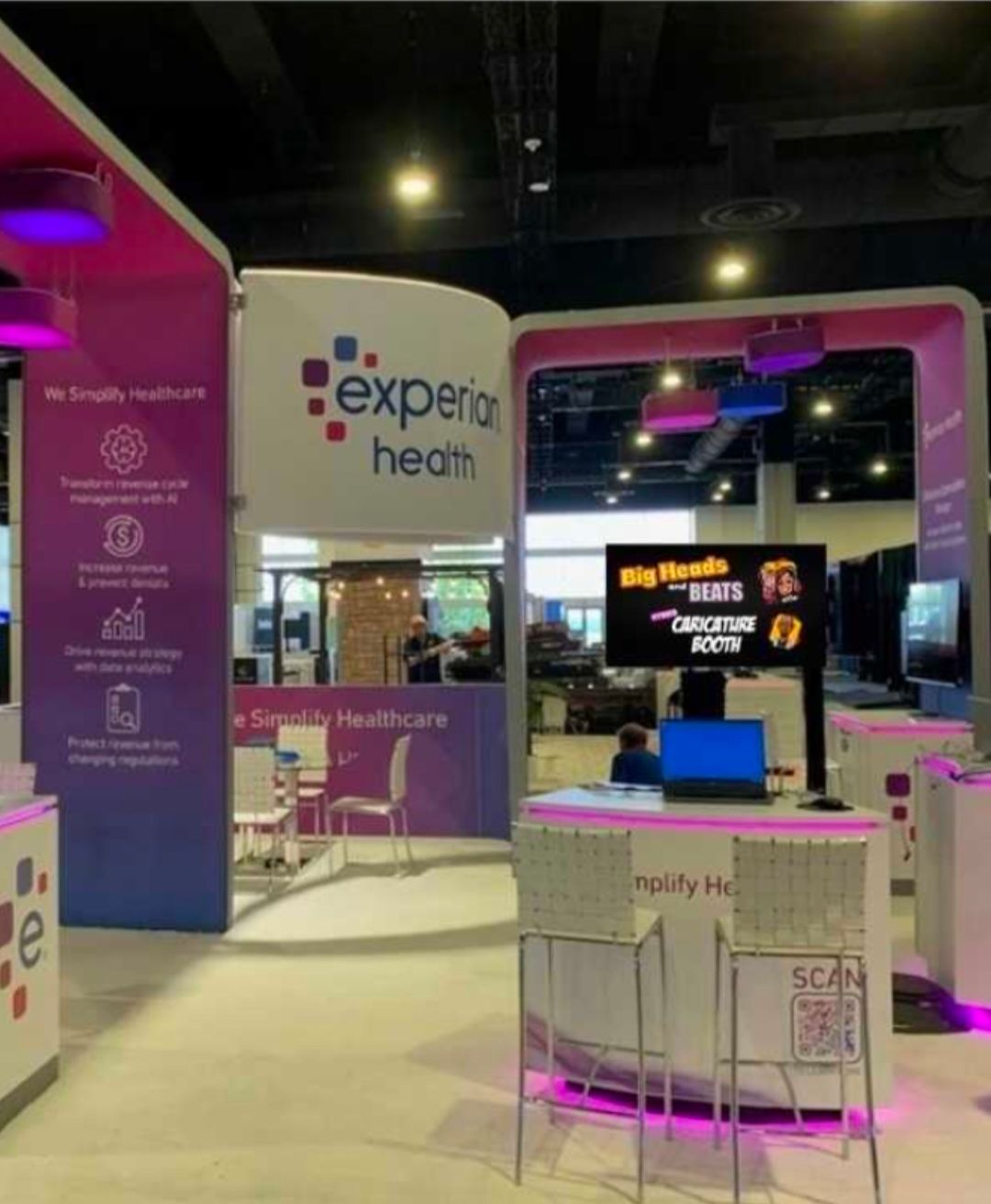
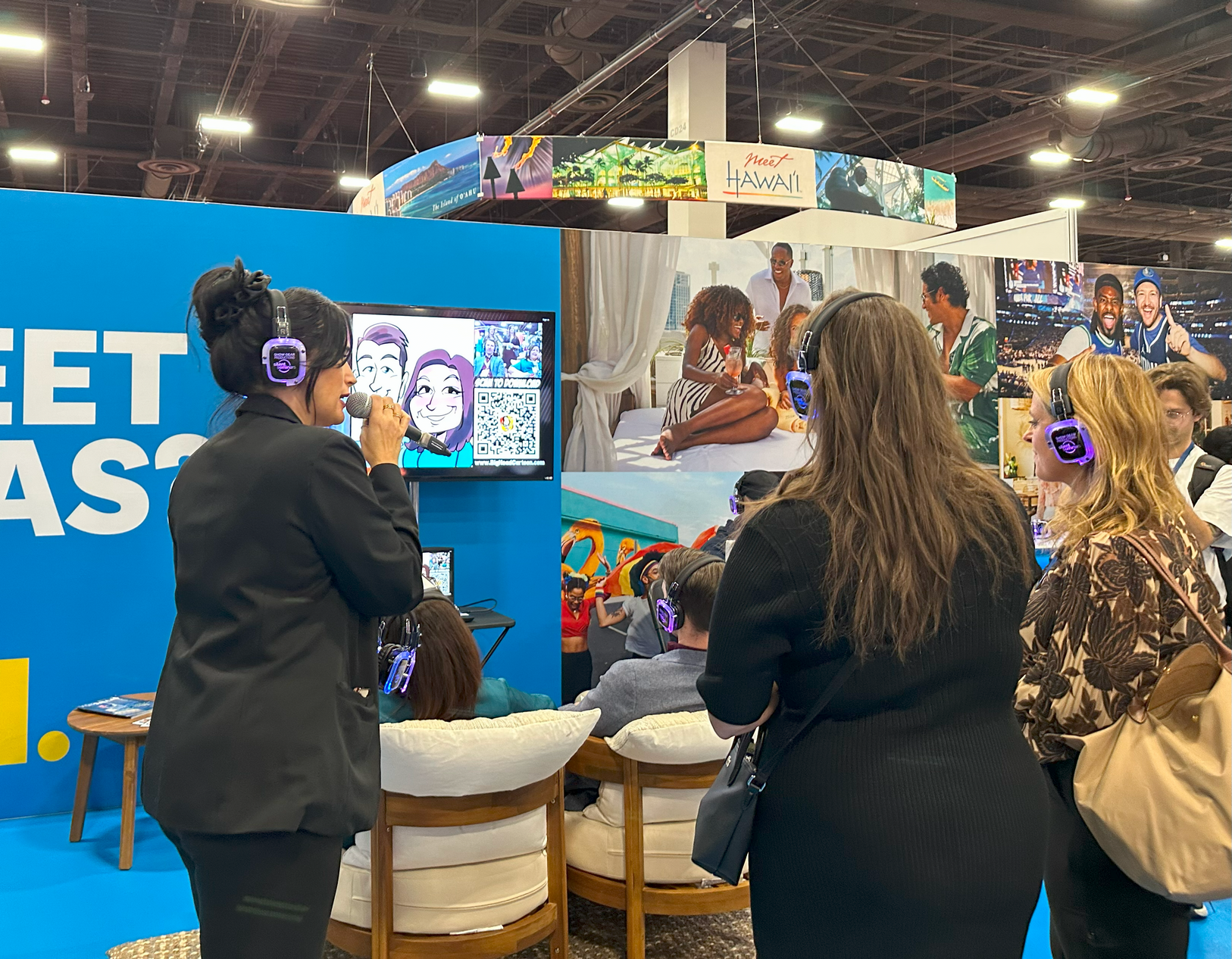
Big Heads & Beats® shows how an interactive experience can become a defined sponsor deliverable. Professional digital caricature artists stream live from their studios through Big Head Cartoon’s software and draw guests in real time on interactive screens. Artists are not on site. The on-site crew is the DJ, Emcee, and event staff.
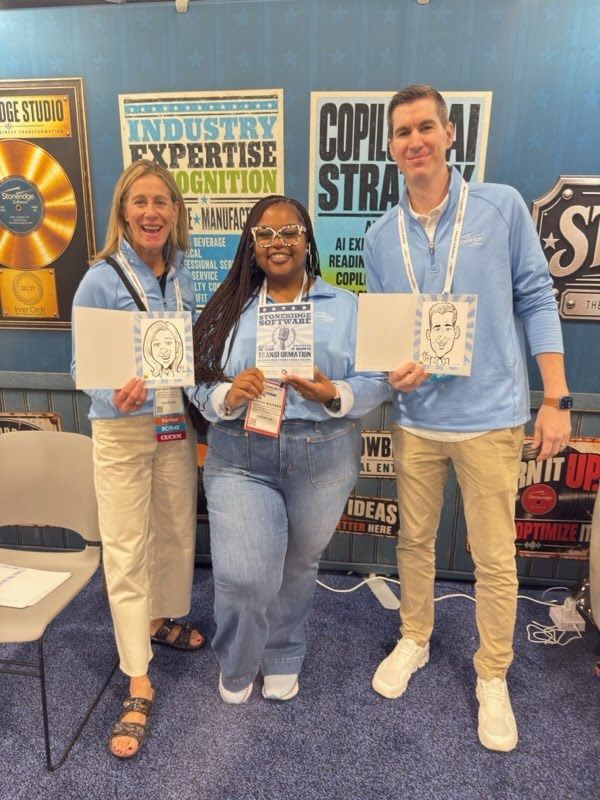
Guests can receive a custom-branded digital caricature on their phone. Branded artwork can include sponsor logos, while a branded QR registration flow can support guest data collection and lead capture. Organizers and sponsors should agree on consent, fields collected, data access, and follow-up before the event. Participation or a keepsake download is not automatically a qualified lead.
Two formats illustrate how an experience benefit can scale:
- 🎧 Tradeshow Magnet: One digital caricature activation with a DJ and Emcee for a compact sponsored footprint. Package documentation lists 60–70 guests drawn per day as a planning figure.
- 🎉 Party In The Line: Two, four, six, or more activations for a larger sponsored space, with an on-site DJ and Emcee. Package documentation lists approximately 80–120 guests drawn per hour and 300–400 per full day as planning figures.
These figures are planning information from package documentation, not guarantees of capacity, qualified leads, or revenue. For format details, explore Big Heads & Beats live experiences.
Better tiers create value for organizers and sponsors
Clear sponsorship levels can shorten the sales cycle because buyers can quickly see which offer fits their goals. Defined benefits also give organizers a firmer basis for discussing scope instead of relying on discounts to close the gap.
Most importantly, a package built around deliverables your team can actually provide creates a stronger foundation for reporting and renewal. Sponsors know what they purchased, your team knows what to deliver, and both sides have a clearer basis for reviewing the experience afterward.
FAQs about sponsorship levels
What are the most common sponsorship levels?
Many events use labels such as bronze, silver, and gold, sometimes adding a top-level or presenting sponsor tier. The names matter less than having clear differences in access, attention, and experience at each level.
How many sponsorship tiers should an event have?
Start with three distinct tiers and consider one custom flagship option if your event has a sponsor with a broader goal or budget. Keep the number small enough that buyers can compare the benefits without getting lost in overlapping choices.
What should be included in a sponsorship package?
Include the audience and attendance context, specific deliverables, timing, branding details, deadlines, sponsor responsibilities, and any relevant limitations. If the package includes an activation, add a separate specification with the space, setup, and production needs.
How much should sponsorship levels differ in price?
There is no single price difference that works for every event. Set prices based on the scope, scarcity, fulfillment requirements, and value of the deliverables, then make sure each higher tier offers a meaningful reason to pay more.
Can an interactive activation be sold as a sponsor benefit?
Yes. An interactive activation can be a defined sponsor benefit when its format, branding, responsibilities, and measurement plan are clear. Treat any participation figures as planning information, not a guarantee of leads or revenue.
Make the next sponsorship proposal easier to buy
The best sponsorship levels give sponsors a clear reason to invest and give your team a realistic plan to deliver. If you’re shaping this cycle’s offer, we can help you explore how a branded interactive experience could fit your audience, space, and sponsor goals.
